People ask us all the time: “What’s the best age for smile makeover?” It’s a fair question—and a tricky one, because age is only one piece of the puzzle. Bone growth, gum health, bite stability, habits, and even your calendar matter as much (sometimes more). At Ajax Aria Dentistry in Ajax, Ontario, we build makeovers around biology first and aesthetics second, so the result looks natural and lasts. And for readers comparing options across the GTA, yes—many principles from cosmetic dentistry in Toronto apply here, too. Let’s unpack timing, options, and the moments in life when a smile refresh tends to make the most sense.
Best Age for Smile Makeover: A Range, Not a Rule
There isn’t a single magic number. Instead, think in stages:
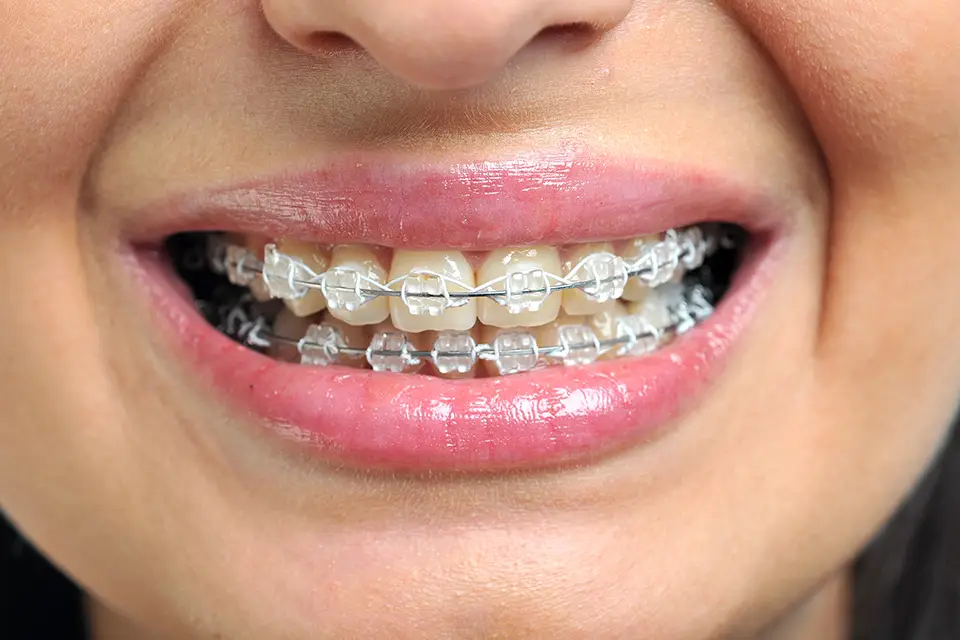
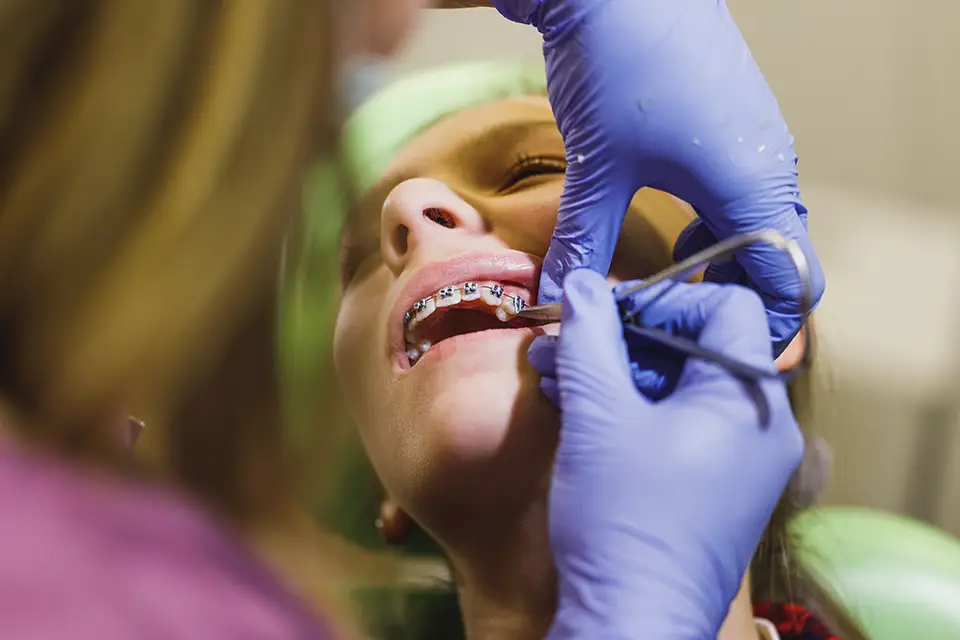
- Late Teens to Early 20s (after growth plates have closed): Best for aligners or braces to dial in position; whitening for brightness; conservative bonding for small chips. We’re cautious with permanent veneers here unless there’s a clear medical/aesthetic reason—enamel conservation matters.
- Mid-20s to 30s: Great time for targeted upgrades. Tooth shape refinements, whitening to match career/social goals, and bite-tuned bonding or a few veneers if edges are worn. The best age for smile makeover for many professionals lands here because habits are stable and maintenance is predictable.
- 40s and 50s: Often the sweet spot for comprehensive plans. Edges may have flattened, old fillings show through, and gum contours need tidying. This is where a carefully staged combination—aligners → whitening → conservative veneers—can deliver a high-impact, long-lasting change.
- 60s and beyond: Biology still allows excellent results. We focus on function first (gum health, bite comfort, dry-mouth management), then polish with whitening, bonding, or restorations. The best age for smile makeover can be “right now” if the foundation is healthy and the plan respects your energy and timeline.
The pattern you’ll notice: growth complete, gums stable, and a bite we can trust—those set the stage more than your birthday.
Also Read: Cosmetic Dentist vs General Dentist: A Patient’s Guide
Best Age for Smile Makeover: What Must Be True Before You Start
Timing a makeover isn’t just about calendars. It’s about readiness:
- Stable gum health: No active inflammation. Deep cleanings or periodontal therapy may come first.
- Bite that won’t fight your dentistry: If you clench or grind, we’ll address that (nightguard, minor alignment) so edges and ceramics last.
- Realistic shade goals: “Whiter” is not a plan—picking a believable shade range makes everything look natural.
- Clear priorities: One photo of a smile you like + three things you want to change = faster, better decisions.
- A maintenance mindset: Cleanings, guard usage if prescribed, and the willingness to polish or refresh bonding down the road.
When these boxes are ticked, any age can be the best age for smile makeover—because the mouth is ready to hold the result.
How Age Shapes Your Options (And Why That's Good News)
Younger Adults (Post-Orthodontic Finishing)
- Aligners for fine-tuning: Close small gaps, correct mild rotations.
- Whitening: Sets the baseline shade before other work.
- Micro-bonding: Tiny edge repairs that don’t demand drilling.
- Why this works: You keep enamel, control cost, and set yourself up for easy maintenance.
Working Professionals (Impact, But Conservative)
- Staged plans: Aligners → whitening → limited veneers only where shape truly needs it.
- Gum contouring (selective): Evens the smile line for big visual pay-off.
- Bite-aware design: Materials and shapes chosen to resist lunchtime clenching and late-night grinding.
- This is the window when the best age for smile makeover often aligns with career milestones, weddings, or public-facing roles.
Midlife and Beyond (Durability + Polish)
- Replace tired restorations: Upgrade dark margins or mismatched fillings.
- Edge symmetry and proportion: A few well-placed veneers or onlays can restore youthful contours.
- Dry-mouth strategies: Support the enamel you keep with high-fluoride care.
- Result: Comfortable chewing, calmer gums, and a smile that looks refreshed rather than “done.”
Best Age for Smile Makeover: The Staged Approach That Works at Any Age
One reason age matters less than you think: sequencing. We use a simple arc that respects biology and budget.
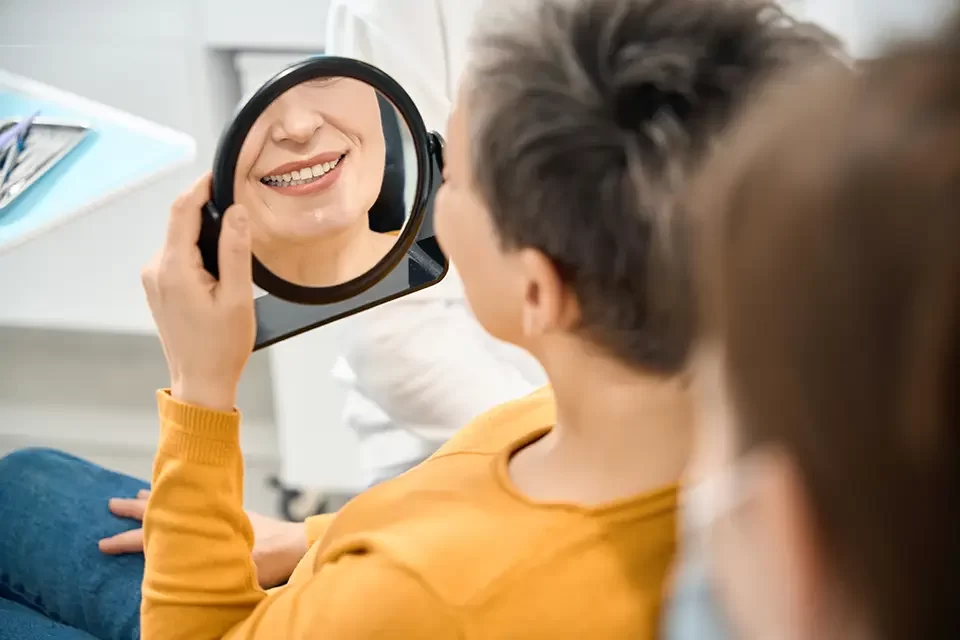
- Assess & Preview — Photos, bite check, and shade mapping; quick mock-ups so you can react before anything is permanent.
- Stabilize — Treat gums, fix urgent decay, address clenching/ grinding.
- Position & Shade — Aligners if needed, then whitening to set the final colour.
- Refine Shape — Conservative bonding or limited veneers for edges, symmetry, and proportion.
- Protect — Nightguard if you clench, plus a hygiene cadence that keeps things bright.
Follow that arc, and the best age for smile makeover becomes “the moment your mouth is ready,” not a number on a chart.
Materials and Longevity: Matching Age to Maintenance
- Whitening: Quick refresh, minimal commitment. Plan on touch-ups—not a downside, just reality.
- Composite bonding: Enamel-friendly and affordable; easy to polish or refresh in 3–7 years, depending on habits.
- Porcelain veneers/onlays: More durable colour and shape stability; higher upfront cost, lower day-to-day upkeep; ideal when multiple front teeth need coordinated changes.
- Aligners: Low-visibility positioning tool. Retainers matter—regardless of age—to keep the result steady.
We’ll suggest the lightest tool first and only step up when that tool can’t deliver your goals.
Life Moments When the Best Age for Smile Makeover Is "Now"
- You’ve finished orthodontic treatment and want to polish edges or fine-tune shade.
- You’re replacing older dental work that no longer matches your natural teeth.
- You’re returning to the workforce or in the public eye and want a confident, camera-friendly appearance.
- You’re experiencing wear or chipping and want shape back before damage accumulates.
In each case, the best age for smile makeover is the one that meets biology halfway and respects your timeline.
Cost, Timing, and Real Life
- Transparent estimates: We itemize whitening, bonding, veneers, aligners, gum contouring—so you can stage by season or milestone.
- Value > velocity: The fastest plan isn’t always the best if it removes unnecessary enamel.
- Maintenance budget: Plan for polishing, occasional bonding refresh, retainer checks—small line items that protect the big result.
Age doesn’t raise the price by itself. Scope, materials, and sequence do. Thoughtful planning keeps all three sensible.
How Ajax Aria Dentistry Personalizes the Best Age for Smile Makeover
At Ajax Aria Dentistry, makeovers begin with listening. What do you want to change first? What’s your timeline? What feels like “you,” not someone else’s smile? From there:
- We photograph and scan to show you what we see.
- We preview changes (digital or trial bonding) so decisions feel easy.
- We propose two or three credible routes, each with clear steps and costs.
- We protect the finish with a guard (if you clench) and a simple aftercare plan.
That’s how the best age for smile makeover becomes your age—on your terms.
Conclusion
So, what’s the best age for smile makeover? The one where your gums are calm, your bite is stable, and you’re ready to maintain a result you love. For some, that’s mid-20s after alignment; for others, midlife when edges and old fillings need a thoughtful refresh; for many, it’s right now. If you’re curious where you stand, we’d love to show you.
Book a consultation with Ajax Aria Dentistry in Ajax, Ontario. Bring a photo of a smile you like and the top three things you’d change. We’ll map the sequence, show you options—from conservative to comprehensive—and help you choose the moment, materials, and plan that make the most sense for you.