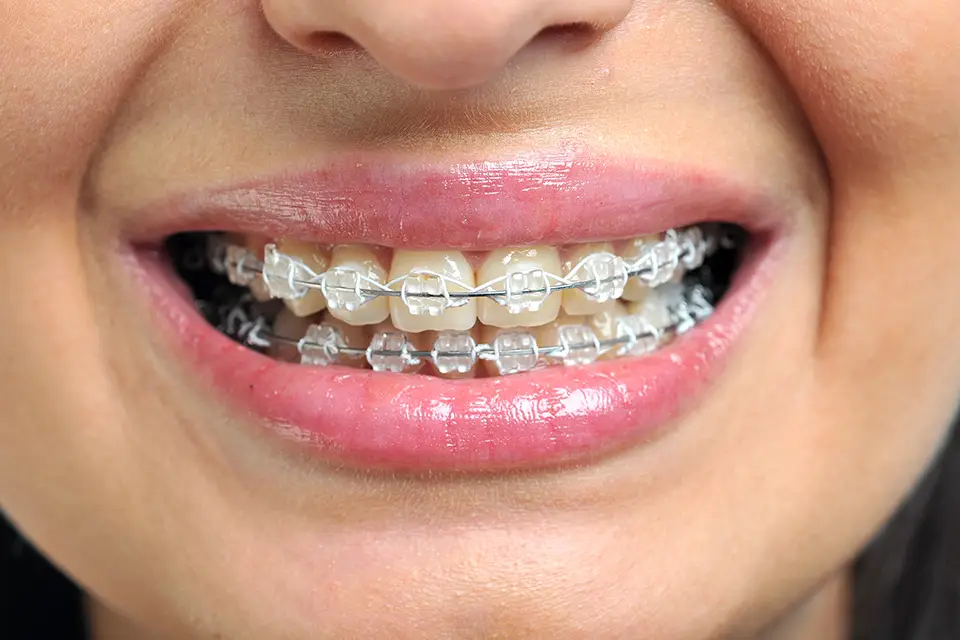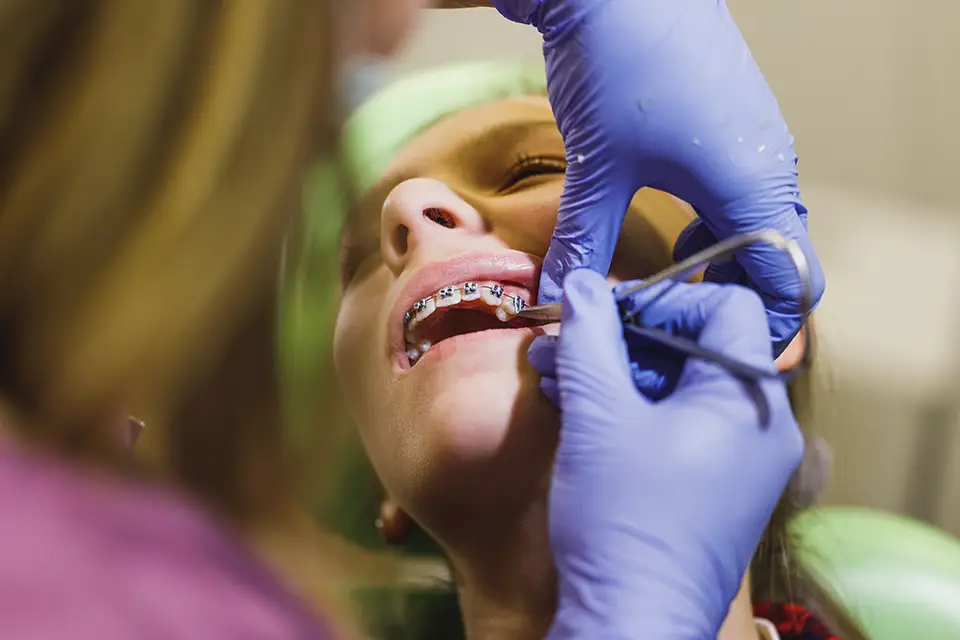
If you’re planning braces or aligners, you’ve probably asked about the average time for orthodontic treatment—and discovered every friend gives a different number. At Ajax Aria Dentistry in Ajax, Ontario, we map care to biology and habit, not guesses, so the average time for orthodontic treatment becomes a predictable runway rather than a moving target. In this guide, we’ll translate bite complexity, appliance choices, and day-to-day routines into a timeline you can plan around, with practical tips to avoid delays. Because you also asked about local access, we’ll show how our scheduling, progress tracking, and patient coaching streamline orthodontics in Ajax for busy families and professionals.
Average Time for Orthodontic Treatment: What Actually Sets the Clock
There isn’t one “universal” timeline. The speed of safe tooth movement is set by biology (bone remodelling) and by the sequence of movements your plan requires.
- Case Complexity: Mild spacing/crowding corrects faster than deep bite, crossbite, or significant rotations.
- Tooth Movement Type: Intrusion/extrusion and root torque need more control and time than simple tipping.
- Gum & Bone Health: Calm tissues move predictably; inflamed tissues slow progress and raise risks.
- Appliance Precision: Modern braces, ceramic options, and clear aligners can all finish on time—but only when matched to the job.
- Patient Habits: Appointment attendance, elastic wear, and aligner hours are the biggest real-world accelerators (or brakes).
Understanding these variables turns the average time for orthodontic treatment into a personalized plan instead of a myth.
Where Most Patients Land: Ranges You Can Plan Around
Think in bands rather than exact dates:
- Mild Alignment (spacing/crowding, limited rotations): ~6–10 months
- Moderate Alignment (multiple rotations, arch form changes): ~12–18 months
- Bite Corrections (deep/open bite, crossbite, midline shifts): ~18–24+ months
These ranges describe the typical average time for orthodontic treatment when patients maintain hygiene, wear elastics/aligners as prescribed, and attend reviews on schedule.

Braces or Aligners: Does the Choice Change the Average Time for Orthodontic Treatment?
The right tool shortens the journey because it reduces detours.
- Metal Braces: Durable, highly precise for rotations, torque, and complex sequencing; often the most time-efficient for challenging bites.
- Ceramic Braces: Similar control with a lower-visibility look; sometimes a touch slower if we protect the brackets from hard foods.
- Clear Aligners: Nearly invisible; excellent for mild–moderate alignment and many bite refinements when attachments and elastics are used correctly.
When we match appliance to movement, the average time for orthodontic treatment is remarkably similar across systems. The biggest differentiator is adherence: braces work 24/7; aligners match that speed when worn 20–22 hours per day.
The Phases That Shape Your Timeline (Step by Step)
Seeing the whole journey prevents surprises:
- Records & Planning (Week 0–2): Photos, digital scans, and targeted radiographs inform a stepwise plan—space creation, rotations, and bite detailing are scheduled before the first bracket or tray.
- Active Movement (Months 1–12+): Regular adjustments or tray changes; we course-correct early if a tooth lags.
- Detailing & Finishing (Final 8–16 Weeks): Elastics, power chains, attachments, or small IPR to fine-tune contacts, angulation, and midlines.
- Retention (Lifelong Habit): Removable clear retainers, bonded lingual retainers, or a combination; the only way to lock in the result.
Each phase has its own cadence; respecting these is how we protect the average time for orthodontic treatment you were quoted.
Average Time for Orthodontic Treatment: Five Habits That Keep You On Schedule
Here’s where patients quietly win weeks back:
- Perfect Wear Time (Aligners): 20–22 hours/day—set alarms, use seat-chewies, and switch trays at night for comfort.
- Elastic Compliance (Any System): Small rubber bands refine bites efficiently; skipping them is the most common cause of “mystery” delays.
- Hygiene & Diet: Healthy gums move faster. Use interdental brushes/floss; avoid hard, sticky foods that break brackets.
- Show Up, Even If “Nothing’s Wrong”: Short reviews catch early tracking issues before they snowball.
- Report Issues Early: A loose bracket or lost tray can be solved in days—not weeks—if we know right away.
Do these five, and the average time for orthodontic treatment you started with is usually the time you finish.
Comfort, Visibility, and Real Life (Because the Calendar Only Matters if You Can Stick With It)
- Comfort Window: Expect light pressure after adjustments or new trays—usually 24–48 hours, manageable with simple pain relief and a softer menu.
- Speech: Aligners can cause a day-long lisp that fades as the tongue adapts; braces have a short “learning curve.”
- Sports & Music: We’ll provide mouthguard guidance and wax strategies so treatment never benches you.
- Small, predictable routines make it easier to maintain the pace that defines your personal average time for orthodontic treatment.
When Plans Need Tweaks: Refinements Without Losing Momentum
Refinements aren’t failure; they’re how we get from “almost there” to ideal.
- For Aligners: Additional trays after mid-course scans correct small rotations or spacing; we plan for one refinement cycle from day one.
- For Braces: Targeted bends, repositioning a bracket, or short elastic phases zero in on details.
- Data-Driven Decisions: Progress photos and intraoral scans show tracking in weeks, not months.
Built-in refinements protect both quality and the average time for orthodontic treatment by fixing small drifts before they become big detours.
Special Cases That Change the Average Time for Orthodontic Treatment
- Impacted Canines or Severe Crowding: May require exposure, space creation, and staged traction—often nudging timelines beyond 24 months.
- Skeletal Discrepancies: Jaw growth guidance for teens or surgical coordination for adults adds planning steps but prevents relapse.
- Periodontal Considerations: For patients with a history of gum disease, gentle forces and periodontal maintenance visits keep biology happy, movement steady, and time realistic.
We’ll flag these scenarios early so your expectations—and calendar—stay accurate.
Costs, Value, and Why Time Is Part of Price (No Guarantees, Just Clarity)
Fees reflect complexity, appliance type, number of visits, and retention. A precise, shorter plan is usually the best value because it avoids mid-course changes and chair-time sprawl. We provide written estimates, staged payments, and clear home-care instructions. Protect your investment by wearing retainers exactly as directed—the cheapest months you’ll ever spend are in retention.
Why Ajax Aria Dentistry
You get a stepwise plan, transparent timelines, and support that fits busy schedules. We pair digital planning with practical coaching—elastic routines, tray seating tips, hygiene that keeps gums calm—so movement stays predictable and your average time for orthodontic treatment stays on track. Most adjustments are short, and progress photos make wins visible, visit by visit.
Conclusion
A realistic orthodontic timeline is built, not guessed: the right appliance for your goals, quiet gums, steady reviews, and small habits you can keep every day. With that foundation, mild cases often finish in 6–10 months, moderate in 12–18, and complex bites in 18–24+—and those numbers hold because the plan respects biology. If you’re ready for a personalized estimate of the average time for orthodontic treatment—mapped to your bite and your calendar—book a consultation at Ajax Aria Dentistry in Ajax. We’ll scan, sequence, and set you up to finish on time and smile with confidence.
FAQs — Average Time for Orthodontic Treatment
Can aligners really finish as fast as braces?
Yes—when wear time is perfect, and attachments/elastics are used as planned. The limiting step is biology, so good compliance lets aligners match the average time for orthodontic treatment seen with braces.
Why do some people finish months sooner than others?
Complexity, gum health, and habits. Simple alignment is quicker than bite changes; quiet gums move predictably; perfect elastic/aligner wear shortens finishing phases.
What if I miss a week of wear or an adjustment?
Tell us immediately. We’ll extend the current tray or reschedule adjustments to re-sync the plan. Fast communication prevents weeks of delay in your average time for orthodontic treatment.