Thinking about a smile upgrade, but not sure where to start? Understanding the types of dental veneers turns a vague idea into a clear plan you can trust. In this guide from Ajax Aria Dentistry in Ajax, Ontario, we’ll compare the most common types of dental veneers, how they look, how they hold up in real life, and what fits different goals and budgets. You’ll also see how planning, timelines, and maintenance work in plain language—no jargon, no guesswork. If you’ve been searching for dental veneers in Ajax, consider this your calm, practical roadmap from first questions to confident decisions
Before you choose a material, it’s smart to understand what sets the types of dental veneers apart. Veneers vary in translucency, strength, thickness, and cost—and those differences affect how natural they look, how well they mask dark tooth shades, and how they handle bite forces like clenching or grinding. Knowing the landscape prevents over- or under-treating and keeps the plan conservative where it can be, durable where it must be.
Types of Dental Veneers: Porcelain Options Explained
Porcelain sits at the centre of many cosmetic plans because it balances beauty with longevity. Within the types of dental veneers, two families matter most:
- Feldspathic Porcelain (Layered): Ultra-translucent and highly customizable for edge “glow,” texture, and lifelike character. Best when teeth are already close to ideal colour and you want the most natural light play.
- Lithium Disilicate (Pressed/CAD-CAM): Aesthetic and stronger than layered porcelain; good for moderate masking and refined shape changes with fewer chips.
Both versions can be very thin. With careful design and enamel preservation, preparations are minimal, yet the result reads as “your teeth on their best day,” not a cookie-cutter smile. For many patients, these types of dental veneers offer the cleanest balance of realism and reliability.
Also Read: Teeth Whitening Durability: How Long Your Brightness Can Last
Types of Dental Veneers: Composite Veneers
Composite veneers are sculpted directly on the teeth in one visit. As one of the more flexible types of dental veneers, they shine when you need a budget-friendly improvement or a conservative fix for chips, minor spacing, or edge wear.
- Strengths: Lower initial cost, same-day results, and easy repairs.
- Trade-offs: More prone to stain and edge wear over time; polish helps, but plan for periodic refreshes.
- Good fit: Students, event timelines, or anyone wanting to “test-drive” a look before committing to porcelain.
Types of Dental Veneers: No-Prep and Ultra-Thin Variants
“No-prep” sounds perfect, and in the right case, it is. Among the types of dental veneers, ultra-thin ceramics can sometimes be bonded with little to no enamel reduction, especially when you’re adding subtle length or volume rather than removing it.
- Where they work well: Slight narrow teeth, small gaps, and minor edge enhancement.
- Where they struggle: Crowded teeth or significant colour masking (too little thickness to hide dark substrates).
- Reality check: We choose no-prep only when it protects gum health, bite function, and long-term edges—conservative, not compromised.
Types of Dental Veneers: Zirconia for Strength and Masking
Zirconia has become a go-to when you need strength and shade control together. Within the types of dental veneers, zirconia stands out for resisting chips and masking deeper discoloration without bulky thickness.
- Strengths: High flexural strength, excellent stain resistance, reliable masking of darker teeth.
- Trade-offs: Slightly less incisal translucency than the glassiest porcelains in certain lighting.
- Good fit: Bruxism (with a night guard), patchy intrinsic stains, or mixed cases with prior restorations where uniform colour is essential.
Candidacy & Decision Factors
Choosing between the types of dental veneers isn’t just an aesthetic decision—it’s biological and mechanical too. We look at:
- Gum & Enamel Health: Calm tissues and strong enamel make bonding predictable and margins stable.
- Bite Forces: Clenching, grinding, or crossbites steer us toward stronger ceramics or staged orthodontics first.
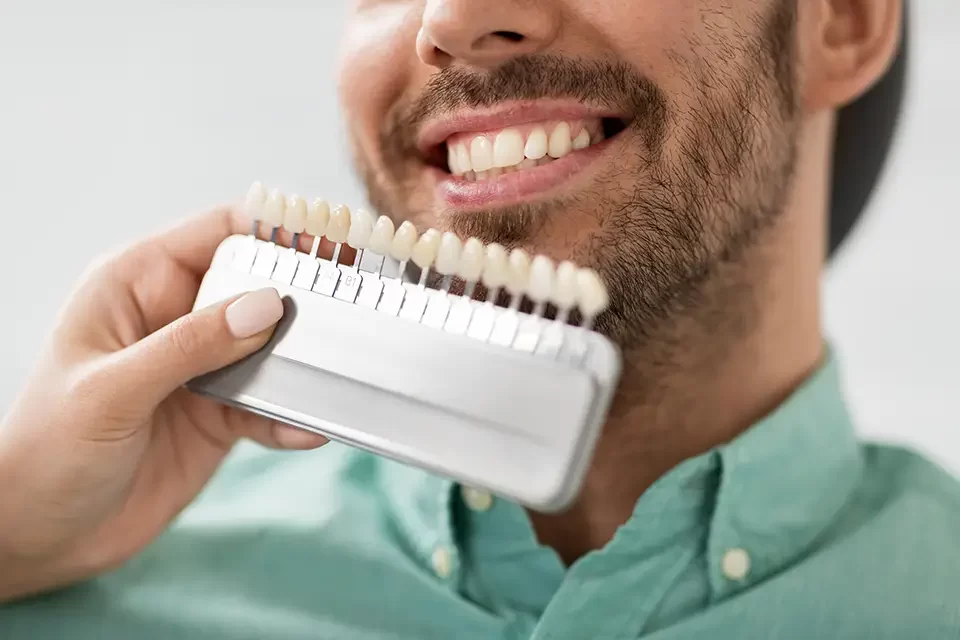
- Colour Goals: Subtle brightening suits feldspathic or lithium disilicate; deep masking may favour zirconia or layered strategies.
- Tooth Shape & Alignment: Mild crowding can be reshaped; significant rotations are safer to align before veneers.
- Budget & Maintenance: Composite fits lower upfront costs; porcelain or zirconia reduce long-term touch-ups.
A candid conversation is key. Matching your goals to the right types of dental veneers keeps the plan conservative and the result believable.
Process & Timelines
A clear process turns choices into outcomes. Here’s how Ajax Aria Dentistry typically sequences care:
- Consult & Records: Photos, digital scans, and a bite check to align the types of dental veneers with your goals.
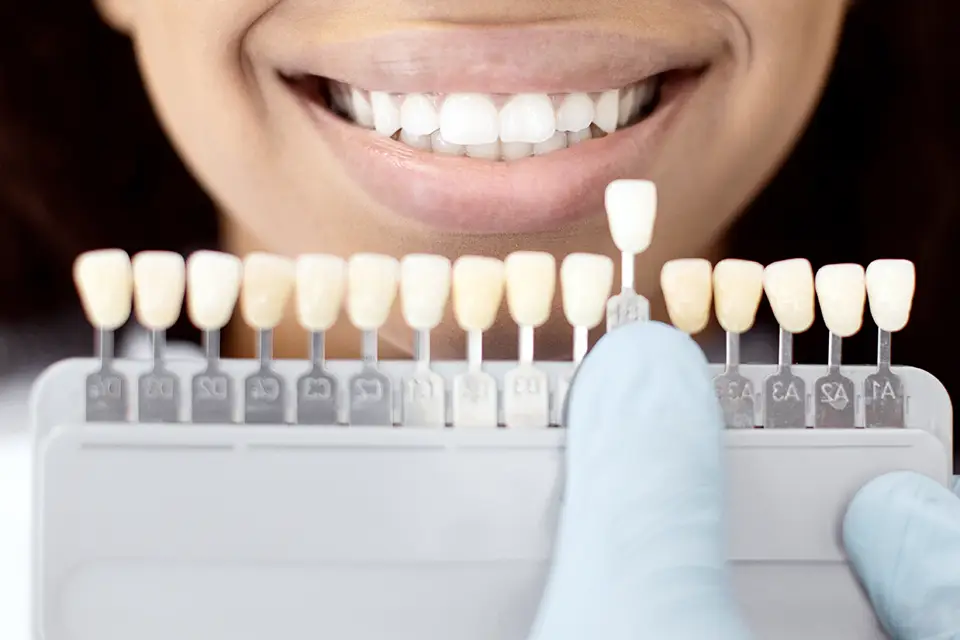
- Smile Design: We preview length, contour, and shade; you’ll see how edges support speech and lip posture.
- Preparation (Conservative): Enamel is preserved wherever possible; minimal reduction only where shape or colour demands it.
- Temporaries & Feedback: You “test-drive” provisional shapes—an important step across all types of dental veneers to confirm comfort and phonetics.
- Laboratory Crafting: Your chosen material is milled/pressed and hand-finished for texture and shade nuance.
- Bonding & Bite Balance: We cement under isolation and refine contacts/occlusion so the veneers share forces comfortably.
- Protection: Photos, care instructions, and—for grinders—a night guard to protect edges.
Most cases are completed in two to three visits over two to four weeks, with small variations based on material and complexity.
Also Read: Side Effects of Cosmetic Dental Procedures: What Patients Should Know
Costs & Financing for Types of Dental Veneers in Ontario
Fees reflect materials, lab artistry, case complexity, and the number of teeth involved. Typical Ontario ranges:
- Composite veneers: $350–$700 CAD per tooth (more maintenance over time).
- Porcelain (feldspathic/lithium disilicate): $1,100–$1,800 CAD per tooth.
- Zirconia veneers: $1,200–$1,900 CAD per tooth (strong masking/strength).
Factors that move costs: gum contouring, replacing old fillings, deeper colour masking, and custom characterization. We’ll provide a written estimate, discuss staging (prioritizing the “social six” first, for example), and outline financing options. These ranges help compare the types of dental veneers honestly while keeping plans realistic—final totals vary by individual findings.
Care, Longevity & Risks with Types of Dental Veneers
Daily habits protect your investment across all types of dental veneers:
- Technique: Soft brush angled 45° to the gumline, small circles; clean between teeth daily with floss or interdental brushes.
- Diet: Water between coffee or acidic drinks; avoid using teeth as tools.
- Protection: Night guard if you clench; routine checks to polish and maintain margins.
- Realistic Expectations: Veneers don’t “fix” gum disease or major misalignment; those are managed first. Small chips can often be polished or repaired (composite); larger fractures may require replacement depending on the material.
With thoughtful care, porcelain and zirconia often last a decade or longer; composite typically needs periodic refreshes. The payoff for choosing the right types of dental veneers is comfort, confidence, and easier maintenance year after year.
Why Choose Ajax Aria Dentistry
Local, accountable care matters when you’re planning a change you’ll see every day. At Ajax Aria Dentistry, you’ll receive photo-based explanations, material comparisons in plain English, and a conservative plan tailored to your bite and budget. We prioritize enamel preservation, precise bonding, and balanced occlusion so the chosen types of dental veneers look natural and stay that way—without spectacle, with plenty of substance.
Conclusion
A beautiful result isn’t an accident—it’s the meeting point of design, biology, and the right material. Once you understand the types of dental veneers, it’s easier to choose a path that matches your colour goals, bite forces, and budget without over-treating. If you’re ready to see what’s possible, book a consultation at Ajax Aria Dentistry in Ajax, Ontario. We’ll map your starting point, show realistic options, outline costs, and create a calm, stepwise plan that fits your life and keeps your smile looking like you—only brighter.
FAQs — Types of Dental Veneers
Which types of dental veneers look most natural?
Layered feldspathic porcelain and lithium disilicate often deliver the most lifelike translucency. The best choice among the types of dental veneers depends on your tooth colour, edge length goals, and bite forces.
Are composite types of dental veneers a good long-term option?
They’re excellent for conservative, budget-friendly changes and quick repairs, but they stain and wear faster than porcelain or zirconia. Many patients later upgrade after “test-driving” shape and shade with composite.
Can the types of dental veneers fix crowding or rotations?
Veneers can camouflage minor alignment issues, but significant rotations are safer to align first. Orthodontics, plus the right types of dental veneers, prevents over-reduction and protects gum health.
How long do different types of dental veneers last?
Porcelain and zirconia commonly last 10+ years with good care; composite typically needs refreshes sooner. Night guards, gentle technique, and routine polishing extend lifespan across all types of dental veneers.
Will I need to change my brushing routine?
Mostly technique, not tools: 45° angle, small circles, and consistent interdental cleaning. These habits preserve margins and keep the benefits of your chosen types of dental veneers going strong.