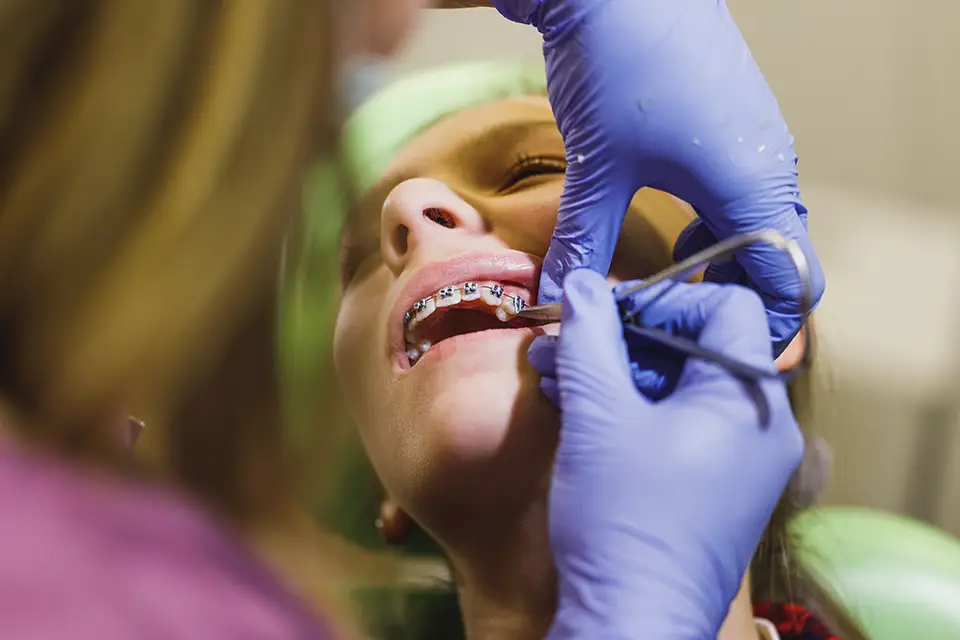
If you’re considering braces or clear aligners, it’s smart to ask direct questions about the risks and complications of orthodontics—not because treatment is unsafe, but because understanding the “what ifs” helps you plan well and avoid preventable problems. At Ajax Aria Dentistry in Ajax, Ontario, we see many patients who want straighter teeth and a healthier bite, but also want realistic expectations about comfort, timelines, and oral health during treatment. This guide explains the most common risks and complications of orthodontics in plain language, what raises risk, and what you can do day to day to keep treatment on track. We’ll also cover what’s normal (like mild soreness), what needs attention sooner, and how orthodontics in Ajax can be approached in a careful, patient-first way.
What "Risks And Complications Of Orthodontics" Actually Means
When people hear “complications,” they often imagine worst-case scenarios. In reality, most risks and complications of orthodontics are manageable, especially when they’re caught early. Some issues are temporary (tenderness after adjustments), some are behavioural (not wearing aligners enough hours), and some relate to oral health (inflammation if plaque builds around brackets).
Orthodontic treatment moves teeth through the bone gradually. That process depends on healthy gums, consistent forces, and steady monitoring. The goal isn’t to eliminate every risk—no healthcare treatment can promise that—but to reduce risk with planning, hygiene, and follow-up.
Common Risks and Complications Of Orthodontics Patients Should Know
A clear list helps you recognize what’s normal and what deserves a call. Here are the most common risks and complications of orthodontics seen with braces and aligners:
- Short-Term Soreness And Pressure: Usually peaks in the first few days after starting or changing aligners/adjustments.
- Gum Inflammation From Plaque Buildup: Brackets and wires create more places for plaque to hide.
- White Spot Lesions: Early enamel demineralization that can appear as chalky areas if brushing is inconsistent.
- Small Cavities Around Appliances: Higher risk when oral hygiene or diet is off track.
- Tooth Root Shortening (Root Resorption): Often minor, sometimes more significant; monitored with X-rays when appropriate.
- Bite Changes Or “High Spots”: Sometimes the bite feels off temporarily as teeth move.
- Relapse After Treatment: Teeth can shift without a retainer plan and consistent wear.
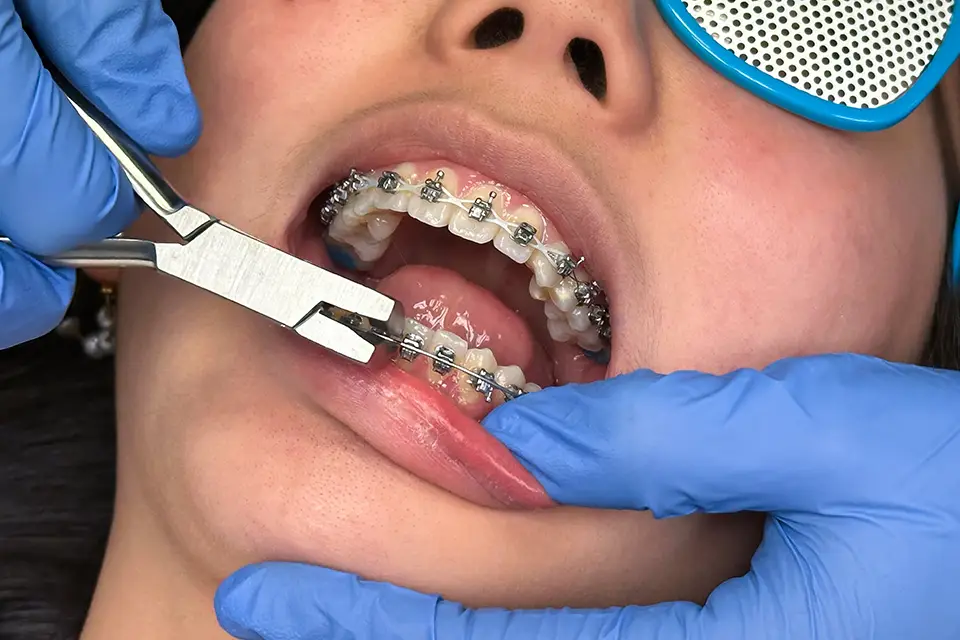
- Appliance Issues: Broken brackets, poking wires, lost attachments, or cracked aligners.
Most of these risks and complications of orthodontics improve with quick adjustments and good routines, which is why regular check-ins matter.
Braces Vs Aligners (Where They Differ)
Both systems can be effective, but the risk profile isn’t identical. Understanding the differences helps you choose the option you’ll follow best.
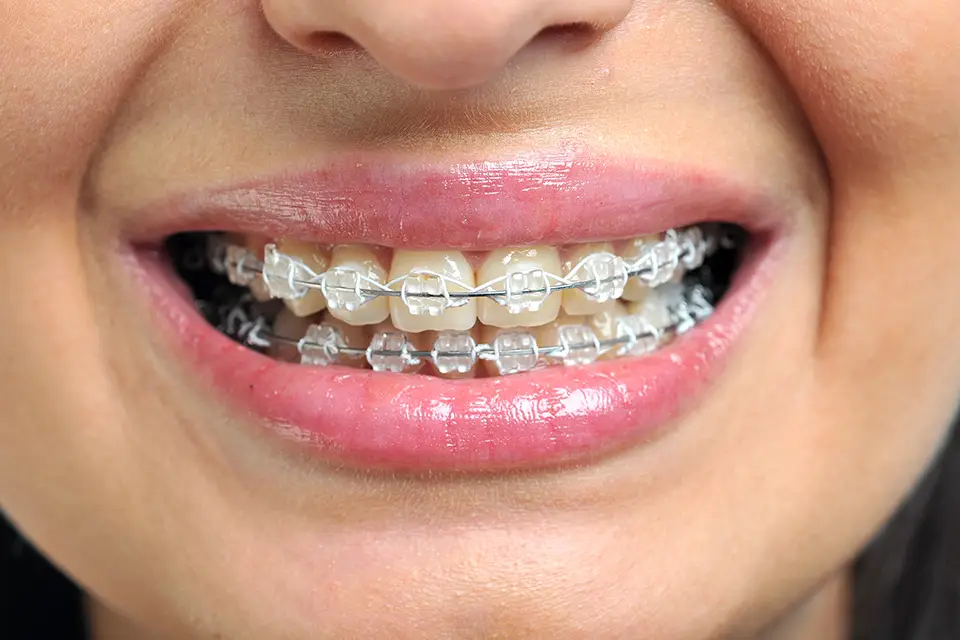
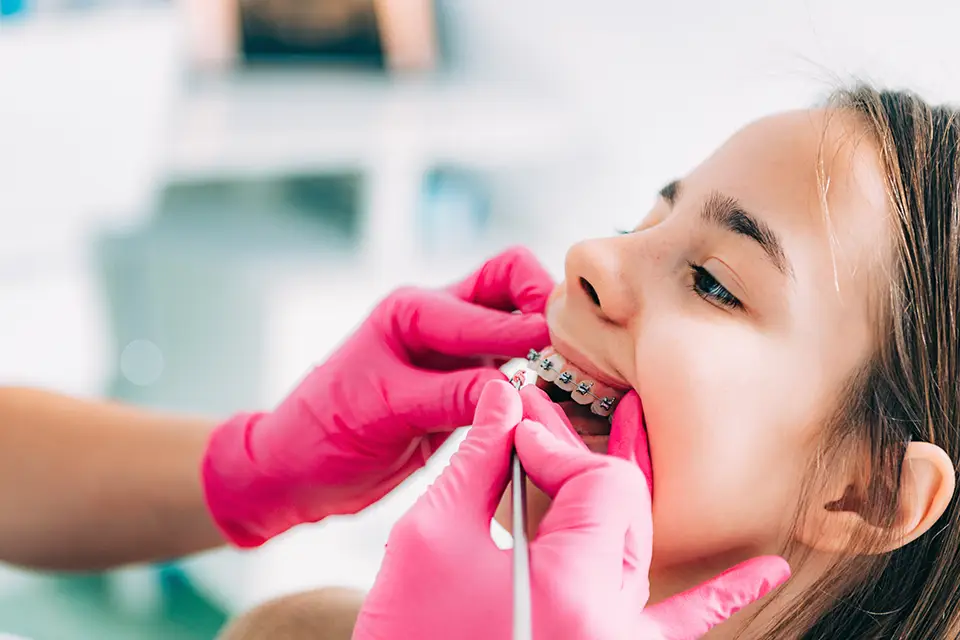
With braces, the big advantage is that they work 24/7 without relying on patient wear time. The trade-off is hygiene complexity—food and plaque can collect around brackets more easily, so gum inflammation and white spot lesions become more likely if brushing slips.
With aligners, hygiene can be simpler because you can remove them to brush and floss normally. However, one of the most common risks and complications of orthodontics with aligners is inconsistent wear. If aligners aren’t worn enough hours per day, movement stalls, tracking issues show up, and the plan can take longer or require revisions.
Prevention Steps That Reduce Risks And Complications Of Orthodontics
Most prevention is unglamorous, but it works. If you want to minimize the risks and complications of orthodontics, focus on the basics consistently:
- Brush Thoroughly And Often: Especially after meals; take extra time around brackets or along the gumline.
- Floss Daily (Or Use Interdental Tools): Braces often require floss threaders or interdental brushes; aligners still require daily flossing.
- Limit Frequent Sugary Drinks/Snacks: Constant sugar exposure raises cavity and white spot risk.
- Use Appliances As Directed: Rubber bands, aligner wear time, and prescribed changes are not “optional extras.”
- Keep Regular Appointments: Small issues become bigger when they’re ignored for weeks.
- Wear A Mouthguard For Sports: This reduces injury risk and broken appliances.
These habits don’t just protect teeth—they protect the timeline and the final result.
Warning Signs That Need Attention During Orthodontic Treatment
Some discomfort is expected, but certain symptoms should be addressed sooner because they may signal one of the more serious risks and complications of orthodontics. Contact your dental team if you notice:
- Persistent pain that doesn’t ease after a few days
- Swelling, bleeding gums that worsen, or a bad taste that doesn’t improve with cleaning
- A wire or edge cutting the cheek or tongue, especially if wax doesn’t help
- A bracket that’s loose or a lost aligner attachment
- Aligners no longer fitting or “lifting” away from teeth
- New tooth looseness beyond normal movement, or sudden bite changes that feel extreme
Early fixes are usually simple. Waiting can turn an easy adjustment into lost progress.
Costs And Timelines For Managing Risks And Complications Of Orthodontics
Most prevention steps don’t add cost, but some complications can add visits, refinements, or additional appliances. The overall timeline can also change if issues like poor tracking, repeated broken brackets, or gum inflammation slow movement.
If treatment needs extra steps—such as replacement aligners, additional refinement sets, or repairs—the cost can vary depending on the treatment plan, materials, and how far along you are. The most accurate way to understand time and cost implications is a treatment review that looks at your specific bite, hygiene status, and the type of orthodontic system being used.
Why Ajax Aria Dentistry In Ajax Focuses On Safe, Steady Orthodontic Planning
A practical way to lower the risks and complications of orthodontics is to treat planning and monitoring as part of the treatment, not an afterthought. At Ajax Aria Dentistry in Ajax, Ontario, we prioritize clear records, realistic timelines, and straightforward coaching on hygiene and appliance care.
We also encourage patients to speak up early. Many complications are not “failures”—they’re common bumps that are easier to correct when addressed promptly. Whether you’re choosing braces or aligners, the safest path is the one you can follow consistently, with a team that monitors progress and adjusts when needed.
Conclusion
Orthodontic treatment is a reliable way to improve alignment and bite function, but it’s still important to understand the risks and complications before you begin. Most issues are preventable—white spots, gum inflammation, broken brackets, aligner tracking problems—when daily habits and follow-ups stay consistent. Some risks, like minor root changes, are monitored and managed through careful planning and appropriate imaging.
If you’re considering treatment and want an honest, personalized discussion, book a consultation with Ajax Aria Dentistry in Ajax, Ontario. We’ll review your goals, assess gum and tooth health, explain your options, and walk through how to reduce risks and complications of orthodontics so you can start with clarity and confidence.
FAQs: Risks And Complications Of Orthodontics
Is soreness normal, or is it one of the risks and complications of orthodontics?
Mild soreness and pressure are very common at the start and after adjustments. It typically improves within a few days. Severe pain or pain that worsens instead of improving should be assessed.
Can the risks of orthodontics include permanent tooth damage?
Serious, permanent issues are uncommon, but they can happen in specific situations—most often related to poor oral hygiene, untreated gum disease, or missed monitoring. Good hygiene and regular visits reduce risk significantly.
Do clear aligners have fewer risks than braces?
Not always—just different ones. Aligners can lower plaque-trap issues, but they raise the risk of delayed progress if wear time isn’t consistent. The better choice is the one you can follow reliably.