Small chips, stubborn stains, or a tooth that never quite matched the others—cosmetic fixes don’t have to be complicated. At Ajax Aria Dentistry in Ajax, Ontario, we help patients compare dental bonding vs veneers in plain language so the choice fits real life, not just a before-and-after photo. In this guide, you’ll see dental bonding vs veneers side by side: materials, timelines, longevity, and costs, plus who benefits most from each option. We’ll also touch on planning for dental veneers in Ajax when you want bigger changes to shade and shape with durable, natural-looking results.
Dental Bonding vs Veneers: The Clear Definition
Bonding uses tooth-coloured composite resin layered directly onto enamel to repair chips, close small gaps, or mask isolated discolouration. Veneers are thin custom shells—most often porcelain—bonded to the front of teeth to refine colour, contour, and symmetry more comprehensively. Thinking in terms of dental bonding vs veneers, bonding is great for small edits; veneers reset the whole smile zone with stable colour and shape.
Dental Bonding vs Veneers: What Each Looks and Feels Like
Composite bonding can blend seamlessly on one or two teeth, especially at the edges; modern resins polish well and look convincing in everyday light. Porcelain veneers interact with light like enamel, offering depth and translucency that stays consistent across photos, meetings, and sunny patios. When evaluating dental bonding vs veneers, ask yourself: Do I need a quick spot fix or a coordinated, uniform result across multiple teeth?
Dental Bonding vs Veneers: Strength, Stain Resistance, Longevity
- Bonding (Composite): Strong for small repairs, but more porous; can pick up stains from coffee, tea, or red wine over time and may need polishing or touch-ups every few years.
- Veneers (Porcelain): High stain resistance and edge strength when planned well; typical lifespan is many years with good care.
When weighing dental bonding vs veneers, bite habits matter. Night-time clenching or nail biting can shorten the life of either option without a slim night guard.
When Bonding Wins
If your front tooth has a tiny chip, a narrow triangle space near the gumline, or a single dark filling that shows in photos, bonding is usually the smallest effective move. It’s conservative, often completed in one visit, and fully reversible. In the context of dental bonding vs veneers, bonding shines when you want a light touch that respects almost all existing enamel.
When Veneers Make More Sense
If you want a noticeable yet believable change to colour, length, and symmetry across several teeth—think uneven edges, worn fronts, or deep intrinsic stains—veneers deliver coordination that composite struggles to match. For dental bonding vs veneers in broader smile makeovers, veneers provide shade stability and consistent texture from tooth to tooth.
Dental Bonding vs Veneers: Appointment Steps You Can Expect
A predictable rhythm keeps anxiety low and results high:
- Consult & Photos: Baseline images, shade mapping, and discussion of goals.
- Smile Design: For veneers, we preview shapes digitally or with a mock-up; for bonding, we shade-match resins under natural-true light.
- Tooth Prep: Bonding usually needs no drilling beyond light surface roughening; veneers may require minimal enamel shaping for ideal thickness and margins.
- Placement: Bonding is layered, sculpted, and light-cured chairside; veneers are tried in, shade-checked, then bonded and polished.
- Refinement: We confirm bite contacts and smooth edges so floss glides cleanly.
This stepwise comparison clarifies dental bonding vs veneers in real-world terms, not just theory.
Dental Bonding vs Veneers: Costs and Timelines (They Vary by Factors)
Transparent ranges help planning without overpromising:
- Bonding: Commonly $200–$500+ per tooth, usually a single visit. Touch-ups or repolishing may be needed over time.
- Veneers: Commonly $900–$2,000+ per tooth, typically two to three visits from consultation to final bonding.
In any dental bonding vs veneers decision, case complexity, number of teeth, and material choice influence fees and scheduling. We’ll provide a written estimate and phased options when helpful.
Dental Bonding vs Veneers: Maintenance and Everyday Habits
Small, consistent habits protect your investment:
- Use a soft brush and low-abrasion toothpaste; aggressive scrubbing can dull resin or veneer glaze.
- Limit frequent acidic sipping (citrus, sparkling water, wine); rinse with water and brush 20–30 minutes later.
- If you clench, wear a slim night guard to prevent micro-chipping.
Because maintenance differs slightly in dental bonding vs veneers, we’ll tailor a simple routine that fits your morning and bedtime rhythm.
Shade Matching And "Camera Reality"
Phones exaggerate contrast. Bonding relies on your dentist’s layering skill to mimic the halo, body, and translucent edge of enamel—excellent for one-to-two-tooth fixes. Veneers are crafted to repeat that effect identically across multiple teeth, which is why in dental bonding vs veneers conversations for wider symmetry, porcelain often wins in photos and video under mixed lighting.
Dental Bonding vs Veneers: Repairability and Reversibility
- Bonding Repairs:
- Quick Polish: Small stains can be buffed and resealed.
- Add/Adjust: Resin can be layered again to refine the shape.
- Veneer Repairs:
- Edge Polish: Minor scuffs can be smoothed.
- Replacement: Larger chips typically require a new veneer to keep margins perfect.
If reversibility is your priority in dental bonding vs veneers, bonding is the clear winner; veneers are a longer-term commitment.
Who's A Good Candidate?
- Best For Bonding:
- One to three small issues: chips, narrow gaps, or a single discoloured patch.
- Patients seeking minimal cost and same-day results.
- Best For Veneers:
- Multiple front teeth needing colour and shape coordination.
- Worn edges from grinding, uneven lengths, or deep stains that resist whitening.
Candidacy in dental bonding vs veneers is less about age and more about goals, enamel health, and bite forces.
Comfort, Anesthetic, And Sensitivity
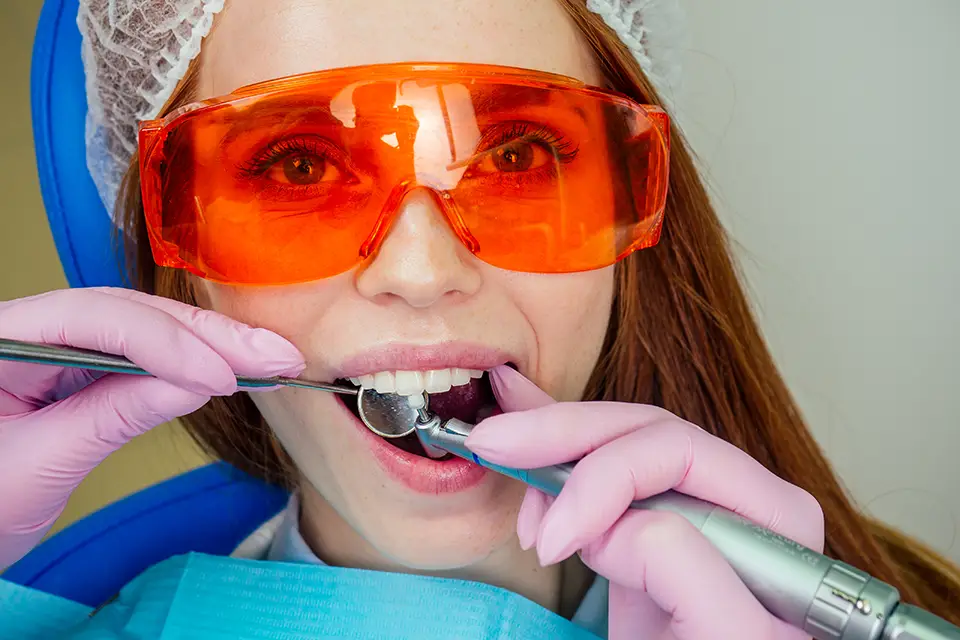
Most bonding is done without freezing, using gentle surface preparation. Veneers may use local anaesthetic for shaping, though many “micro-prep” cases are comfortable with little to no freezing. Temporary sensitivity after either procedure is typically mild and short-lived. In everyday terms of dental bonding vs veneers, comfort is comparable—planning and gentle technique matter most.
The Ajax Aria Dentistry Advantage (Local Value)
We design treatment that respects biology and budget. For a single-tooth fix, we’ll often begin with bonding and reassess in natural light a week later. For coordinated makeovers, we preview veneer shapes you can test-drive before anything is final. That balance—clarity, conservation, and craft—guides how we present dental bonding vs veneers for our Ajax community.
Conclusion
Good cosmetic dentistry is about the smallest effective move. Bonding excels at quick, conservative touch-ups; veneers shine when you want durable, uniform changes to colour and shape across your smile line. If you’re weighing dental bonding vs veneers, book a consultation at Ajax Aria Dentistry in Ajax, Ontario. We’ll photograph your baseline, map options with timelines and costs, and recommend a plan that fits your goals, bite, and budget—so your next photo looks like you, just more confident.
FAQs — Dental Bonding vs Veneers
Will whitening first change my decision about dental bonding vs veneers?
Often, yes. If whitening lifts your shade enough, targeted bonding can finish the look. When shade is uneven or resistant to whitening, veneers may provide the uniformity you want across multiple teeth.
How long do results last in dental bonding vs veneers?
Bonding can look great for several years, but may need polishing or touch-ups due to stains and wear. Veneers typically last significantly longer with consistent care and a night guard if you clench.
Is tooth removal required for veneers?
Modern veneer planning focuses on minimal enamel reduction. In many cases, shaping is micro-thin—just enough for ideal thickness and seamless margins—yet in dental bonding vs veneers, bonding preserves the most original enamel.