When you’re ready to refresh your smile, two choices tend to rise to the top—and that’s where the question hits: what’s the real difference between veneers and composite bonding? At Ajax Aria Dentistry, we use both every week, and either can look fantastic when it’s matched to the right goal, budget, and timeline. Think of veneers as a long-term ceramic upgrade; bonding is a skilful, chairside sculpt. Both belong under the umbrella of cosmetic dentistry in Toronto, but they serve slightly different jobs. Below, we unpack the difference between veneers and composite bonding in plain English—so you can choose with confidence and skip the second-guessing.
Difference Between Veneers and Composite Bonding
Porcelain veneers are ultra-thin ceramic shells made by a lab and bonded to the front of your teeth. They’re ideal when you want predictable colour, refined shape, and uniform symmetry across several front teeth.
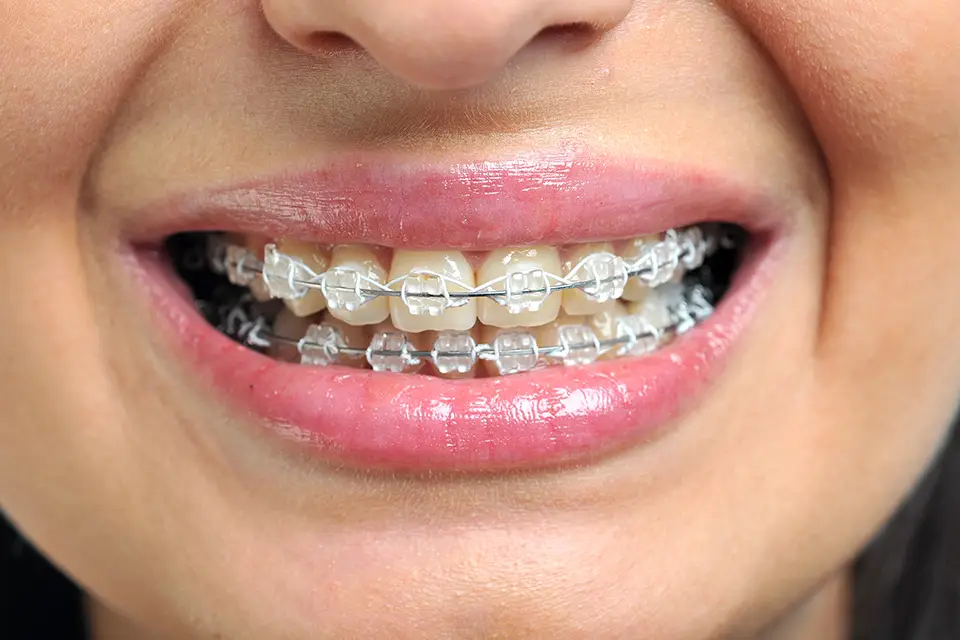
Composite bonding is tooth-coloured resin layered directly on the tooth in one visit, then shaped and polished to blend with enamel. It’s perfect for quick fixes—chips, small gaps, edge wear—or modest changes to one or two teeth.
Bottom line: the core difference between veneers and composite bonding is material and workflow—lab-made ceramic vs. chairside resin—which then affects longevity, stain resistance, cost, and maintenance.
Difference Between Veneers and Composite Bonding: How the Procedures Actually Happen
Veneers (planned, two to three visits):
- Design & preview: Photos/scans and a mock-up you can react to.
- Minimal prep: A whisper of enamel reduction (often <1 mm) so the final veneers don’t feel bulky.
- Lab craftsmanship: Ceramics are layered for natural translucency and shade gradation.
- Try-in & bonding: You approve the look; we bond and polish for a seamless finish.
Bonding (single visit, sculpted):
- Shade match: We select a resin that harmonizes with nearby enamel.
- Layer, shape, refine: Resin is built on the tooth, then contoured.
- Polish & texture: We add subtle surface detail so light hits naturally.
If you’re aiming for a coordinated multi-tooth makeover, veneers deliver structure and consistency. If you want a same-day repair or a conservative tweak, bonding is fast and flexible. That’s a practical difference between veneers and composite bonding you’ll notice right away.
Also Read: Cosmetic Dentist vs General Dentist: A Patient’s Guide
Where the Aesthetic Payoff Differs (and Why It Matters)
Ceramics used for veneers bend and reflect light like enamel—warmer near the gum, brighter toward the edge—so bigger, multi-tooth changes photograph beautifully and look right in daylight. Composite can be very convincing for small zones (chips, corners, edges). The larger the area you’re trying to change, the more veneer optics tend to win for uniformity and realism.
Takeaway: For a full “smile zone” (often 6–10 teeth), veneers usually make it easier to keep colour and shape perfectly in sync. That harmony is a subtle but important difference between veneers and composite bonding.
Durability & Upkeep: The Real-World Difference Between Veneers and Composite Bonding
- Veneers: Porcelain keeps its gloss and resists coffee/tea/wine stains. With good care (and a nightguard if you grind), veneers commonly last a decade or more. Chips are uncommon; repairs require ceramic know-how.
- Bonding: Resin is easier to scuff or stain over time. The upside? It’s simple and affordable to repolish, patch, or refresh.
In everyday life, the difference between veneers and composite bonding is this: veneers ask for a higher upfront investment and pay you back with stable colour and long wear; bonding is budget-friendly and fixable, but may need periodic shine-ups.
Tooth Preservation & Comfort: Choosing the Least-Invasive Path
If “no drilling” is your north star, bonding is often the gentlest choice—resin is added, not removed. Veneers still aim to be conservative, but a tiny enamel reduction is part of the plan to avoid bulk. Sensitive or anxious? We work at your pace, use numbing where needed, and keep sessions short and predictable. Respecting comfort is part of narrowing the difference between veneers and composite bonding to what feels right for you.
Cost & Value: Using the Difference Between Veneers and Composite Bonding to Plan a Smart Budget
- Veneers: Higher per-tooth fee (ceramic artistry + lab time). Best value when you’re upgrading several front teeth and want a stable, uniform shade and shape.
- Bonding: Lower per-tooth cost. Ideal for quick repairs, trial changes, or selective tweaks before you commit to ceramics.
A proven strategy is staging: clean and whiten → short aligner plan if spacing needs it → targeted bonding to “audition” shapes → convert key teeth to veneers where long-term colour and symmetry matter most. That approach uses the difference between veneers and composite bonding to your advantage—great result, comfortable spend.
Quick Matchmaker: Goals → Best Option (So You Can Decide Faster)
- “I want a brighter, uniform smile across 6–8 teeth.” Veneers for stable shade and symmetry.
- “I chipped a tooth and have a wedding next week.” Bonding for a one-visit rescue.
- “Whitening didn’t budge deep discolouration.” Veneers to mask intrinsic shade reliably.
- “Tiny black triangle / small gap, no drilling please.” Bonding (or aligners first, then minimal bonding).
- “I grind my teeth.” Either option—plan a nightguard and smart edge design.
That’s the everyday difference between veneers and composite bonding—match the tool to the job.
Day-to-Day Care That Keeps Results Looking New
- Brush gently, daily: Soft brush + non-abrasive toothpaste.
- Clean between teeth: Floss or interdental brushes—whatever you’ll actually use.
- Mind the habits: No ice chewing or package-opening with your teeth (natural or restored).
- Nightguard for grinders: Protects edges—ceramic or resin.
- Keep shade in harmony: Veneers resist stain; natural teeth around them may darken slowly. Periodic whitening keeps things even. Bonding may need the occasional repolish.
Good habits shrink the visible difference between veneers and composite bonding—both keep looking their best.

How Ajax Aria Dentistry Helps You Choose (Without Pressure)
We start with your priorities: what bugs you in the mirror, what you like in screenshots, and how much time and budget you want to commit. Then we make the difference between veneers and composite bonding easy to see in your mouth:
- Visuals you can trust: Photos, scans, and a simple preview for multi-tooth cases.
- Two or three credible routes: Conservative to comprehensive, with clear pros/cons.
- Itemized plans: No mystery pricing; timelines that work with your calendar.
- Calm follow-through: Short appointments, tidy finishes, quick adjustments if anything feels off.
You leave with a plan you can read—and a result that fits your life.
Also Read: Best Age for Smile Makeover: What Matters More Than the Number
Conclusion
The meaningful difference between veneers and composite bonding isn’t “good vs. bad”—it’s choosing the right tool for your goal. Veneers bring stable colour and sculpted symmetry to multi-tooth makeovers; bonding is the precise, conservative fix for chips, edges, and small gaps—often in a single visit. If you’d like to see your options side-by-side, Ajax Aria Dentistry is ready to help. Book a consultation, bring inspiration photos if you have them, and leave with a clear plan that respects your timeline, your budget, and—most importantly—your smile.
FAQs
Is the difference between veneers and composite bonding mostly about cost?
Cost is part of it, but not the heart of it. Veneers win on uniformity, long-term colour, and durability across multiple teeth; bonding wins on conservation, speed, and easy touch-ups.
Can I start with bonding and switch to veneers later?
Yes. Many patients “test drive” shapes with bonding, then convert select teeth to veneers for longevity. We plan ahead so colours and contours translate cleanly.
What if I only dislike one tooth—do I need multiple veneers?
Not necessarily. One veneer or a bit of bonding can solve a single standout tooth. We’ll match shade and texture so it blends.