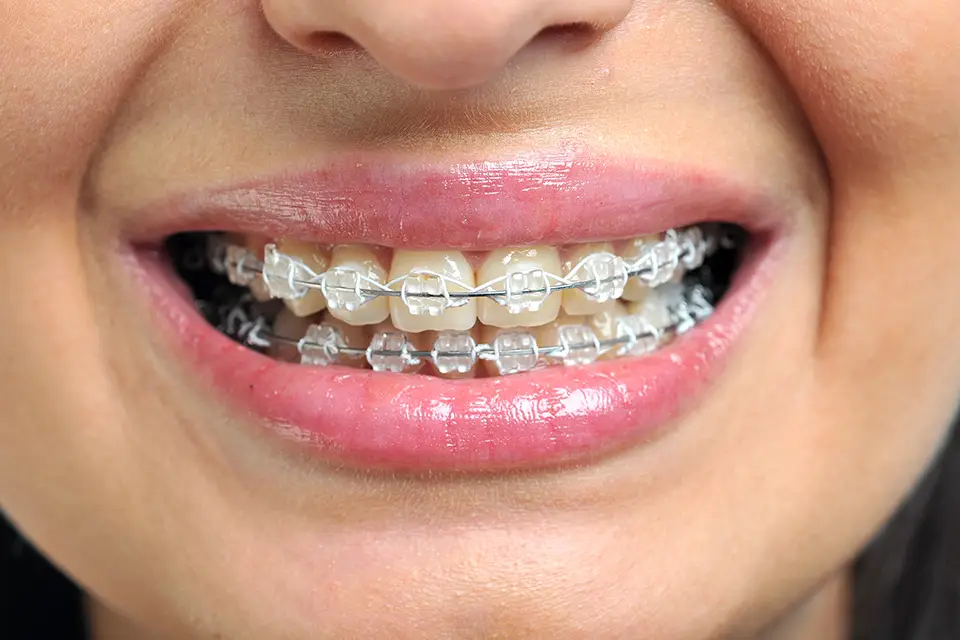
If you are torn between porcelain veneers vs composite veneers, it helps to step back and think about how you live day to day. Do you drink coffee or tea often, clench your teeth, or appear on camera for work? Porcelain is a lab-made ceramic that usually gives a very stable colour and shine. At the same time, composite is a sculpted resin that can be adjusted more easily in the chair and often has a lower upfront cost.
For patients considering dental veneers in Ajax, the real questions are practical ones. How much natural enamel will be reshaped, how long each option can reasonably last, what happens if a veneer chips, and how often polishing or repairs will be needed? During a detailed consultation, your dentist reviews photos, bite alignment, and your expectations so you can make a calm, informed choice between porcelain and composite.
What Are Porcelain Veneers and How Do They Work?
When your dentist suggests porcelain veneers, they are talking about individually crafted coverings that sit on the front of selected teeth to refine shape, colour, and symmetry. These thin ceramic shells are designed from digital scans or impressions so they follow your natural smile line. At the preparation visit, a minimal layer of enamel is contoured under local anaesthetic, and temporary veneers are placed. In a second appointment, the porcelain is checked against your bite and lip line. The tooth surface is cleaned, etched, and bonded with adhesive resin so the veneers feel secure and look naturally integrated.

What Are Composite Veneers and When Are They Used?
In everyday practice, composite veneers are thin layers of tooth-coloured resin that your dentist sculpts directly on the front of your teeth. The surface is gently roughened, adhesive is applied, and the material is shaped, cured with a light, then polished so it blends with neighbouring teeth. Dentists often choose composite veneers for small to moderate cosmetic changes, such as filling minor gaps, rebuilding chipped edges, softening uneven tooth shapes, or masking mild discolouration. They can also be a valuable option for younger patients or for anyone who wants to “test drive” a new smile before committing to porcelain veneers vs composite veneers long term.
Also Read: Types of Dental Veneers: A Practical Guide to Your Best Options
Porcelain Veneers Vs Composite Veneers: Key Differences at a Glance
For most patients, the real question in comparing porcelain veneers vs composite veneers is how they behave in everyday life. Porcelain usually provides more lifelike translucency and stronger stain resistance, and its longer expected lifespan can help justify the higher initial investment if you want a long-term smile makeover. Composite veneers are built directly on the tooth in a single visit, so they are more flexible and often more budget-friendly, but they can wear or discolour sooner and may need earlier polishing or replacement. Your dentist will also assess enamel thickness, bite forces, and existing fillings before recommending one option or a combination.
Porcelain Veneers: Benefits, Limitations, and Ideal Candidates
When patients ask about porcelain veneers, they are often hoping for a smile that looks natural, photographs well, and does not fade after a year or two. Your dentist will look at gum health, bite, and existing fillings before suggesting this cosmetic option.
Benefits of porcelain veneers:
- Natural enamel-like appearance that can lengthen worn front teeth, even out edges, and hide deep internal stains.
- A smooth ceramic surface that is highly resistant to everyday stains, especially if you keep up with professional cleanings and good home care.
Limitations and who they suit:
- Permanent removal of a thin enamel layer is required, and fees are higher than for composite veneers.
- Best suited to patients who want long-lasting results and are comfortable choosing porcelain after comparing porcelain veneers vs composite veneers in a detailed consultation.
Composite Veneers: Benefits, Limitations, and Ideal Candidates
For many people, composite veneers feel like a gentle first step into cosmetic dentistry. They allow your dentist to reshape and brighten teeth with minimal enamel removal, which can be reassuring if you are still comparing porcelain veneers vs composite veneers.
Benefits of composite veneers:
These restorations suit patients who want conservative cosmetic changes without a long treatment timeline.
- Single visit treatment in many cases, with the material layered and polished chairside.
- Often more budget-friendly and straightforward to repair if a corner chips or an edge wears.
Limitations and who they suit:
This option works best when expectations and maintenance habits are clear.
- More prone to staining and surface wear than porcelain, so they may need earlier polishing or replacement.
- A good fit for patients seeking modest improvements rather than a full smile overhaul.
Cost, Longevity, and Maintenance
When patients ask about treatment cost and longevity, your dentist will usually compare the fees for porcelain and composite and then relate them to how long each option is expected to last. In most cases, porcelain carries a higher fee than composite, yet many patients keep it looking good for longer. At Ajax Aria Dentistry, porcelain veneers vs composite veneers are discussed with a clear written estimate so there are no surprises.
Looking after veneers is not complicated, but it does need consistency. A soft brush, fluoride toothpaste, and careful flossing protect the margins where veneers meet natural teeth. Scheduling regular checkups in Ajax for polishing and bite adjustments, and wearing a nightguard if you grind, can significantly extend the life of both porcelain and composite veneers.
Porcelain Veneers vs Composite Veneers: Which Is Better for You?
Choosing between porcelain veneers vs composite veneers is less about perfection and more about what fits your teeth and lifestyle. A good decision balances appearance, budget, and how much follow-up care you are comfortable with.
- If you want long-lasting aesthetics with excellent stain stability, porcelain is usually better for full smile makeovers or darker teeth.
- If you prefer a lower upfront cost and easier minor repairs, composite can work well for small chips, mild discolouration, or shape tweaks.
- Your dentist will review enamel condition, bite forces, and habits such as grinding, then guide you toward the option that feels realistic and sustainable for you.
How Ajax Aria Dentistry Plans Your New Smile
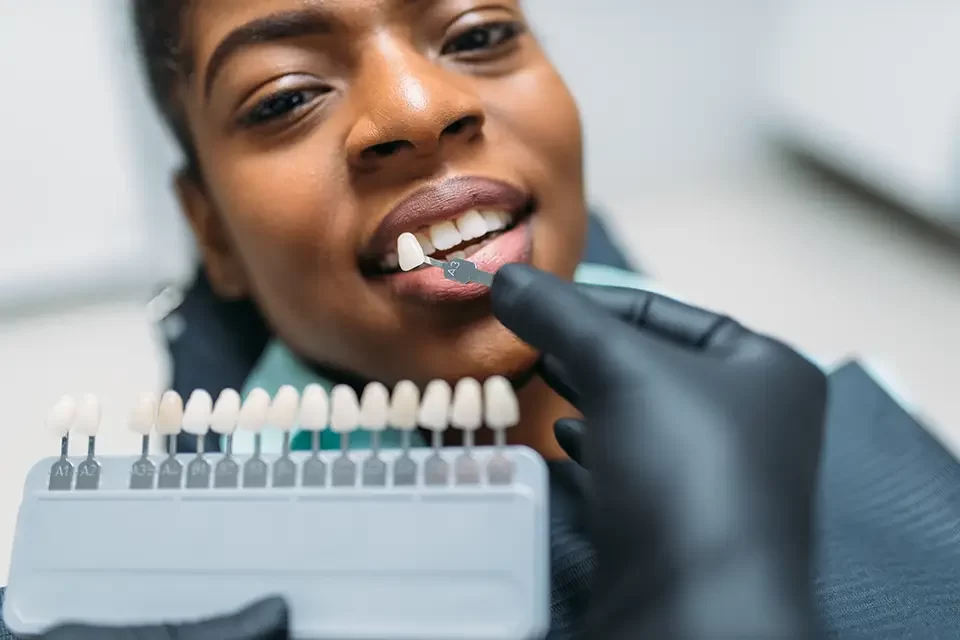
At Ajax Aria Dentistry, planning veneers begins with a full exam, photos, and a relaxed conversation about what you would like to change, not just tooth colour. Your dentist reviews your bite, enamel thickness, and smile line, then explains how porcelain veneers vs composite veneers would behave in your mouth. You receive a written estimate, suggested timeline, and personalized home care advice before any treatment starts.
Also Read: Teeth Whitening Durability: How Long Your Brightness Can Last
Porcelain Veneers vs Composite Veneers: Book Your Veneer Consultation
Choosing between porcelain veneers vs composite veneers is easier when you can sit down with a dentist who knows your teeth, not just your photos. At Ajax Aria Dentistry, your veneer consultation includes a full exam, time for questions, and a clear explanation of fees and timelines. You are welcome to bring example photos or a list of concerns, then book your veneer consultation by phone or online.
FAQs
Are veneers permanent?
Veneers require permanent enamel reshaping, so treatment is not reversible. Your dentist at Ajax Aria Dentistry will review alternatives before planning veneers.
How long do veneers last?
With good home care, porcelain veneers often last longer than composite, although individual results vary. Your dentist will explain typical timelines for porcelain and composite veneers at your exam.
Which is better for me?
During a veneer consultation, your dentist compares porcelain veneers vs composite veneers for your enamel, bite, and budget, then recommends the option that fits your long-term goals.