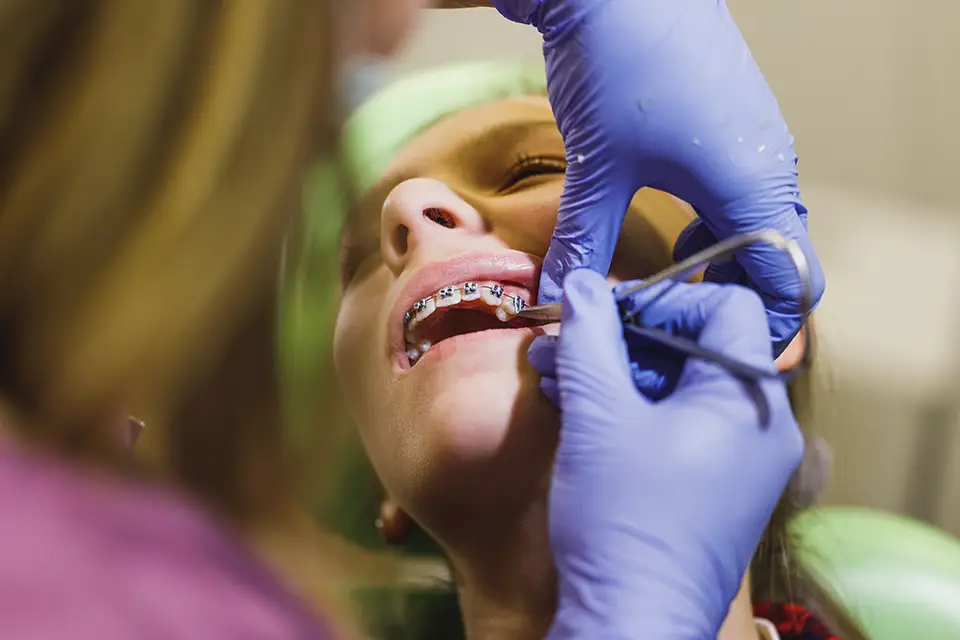
Maybe your teeth shifted after childhood braces, or you never had the chance to straighten them in the first place—either way, you’re not alone. At Ajax Aria Dentistry in Ajax, Ontario, we plan orthodontics for adults around real lives: work, family, and a calendar that doesn’t pause. This guide explains what’s possible with modern techniques, how treatment fits into everyday routines, timelines, costs, and how we keep gums healthy from start to finish. You’ll see orthodontics for adults compared across clear aligners and braces, plus how bite health and long-term stability drive the recommendation. And because you asked locally, we’ll reference orthodontics in Ajax with practical examples and clear expectations.
What Orthodontics Changes (And Why Adults Benefit)
Crowding, spacing, and bite issues (deep bite, open bite, crossbite) affect more than photos. Misalignment can trap plaque, stress enamel, and overload jaw joints. Correcting tooth position spreads chewing forces, protects edges from chipping, and makes flossing simpler. The point isn’t perfection; it’s a stable bite that looks good and behaves well for decades. For many adults, improvements in comfort and hygiene are the biggest wins.
Orthodontics For Adults: How Teeth Actually Move
Teeth are anchored in living bone, not concrete. Gentle, continuous forces trigger bone remodelling: bone thins slightly on the pressure side and rebuilds on the tension side. Braces deliver this with brackets and archwires; aligners deliver it in small, planned steps using custom trays and tiny tooth-coloured attachments. The biology is the same either way—what changes is how precisely we can control direction, rotation, and root position in a plan tailored to orthodontics for adults.
Also Read: Dental Bonding vs Veneers: How To Choose Your Best Smile Upgrade
Daily Life with Aligners Vs Braces
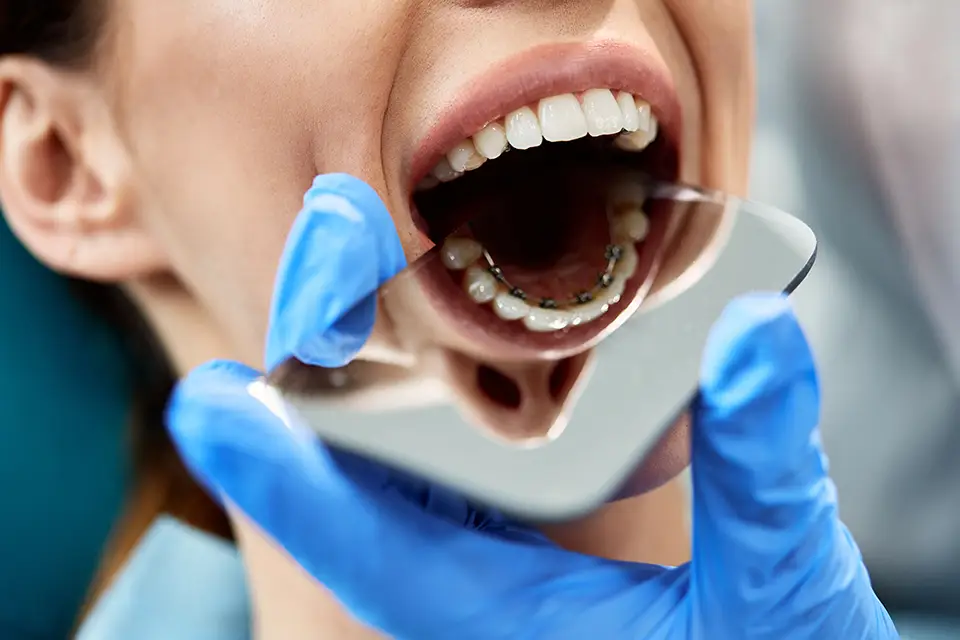
Removability is the big lifestyle difference. Aligners come out for meals and brushing, so your diet stays normal, and hygiene is familiar—but they must be worn 20–22 hours a day, every day. Braces are fixed; you don’t misplace them, and they work 24/7, but you’ll avoid hard/sticky foods and spend a few extra minutes cleaning around brackets. The best choice is the one you can follow perfectly for months, not just days.
Orthodontics For Adults: Who Thrives with Which Option?
Use these cues to match mechanics to your habits:
- Choose Aligners When
- You want minimal visual change in client-facing roles.
- You can reliably wear trays for 20–22 hours and keep track of them while travelling.
- Your goals are alignment, spacing, mild bite refinements, or relapse after earlier braces.
- Choose Braces When
- You need complex rotations, vertical tooth movements, or multiple bite corrections.
- Compliance might be challenging, and a fixed, always-on system helps.
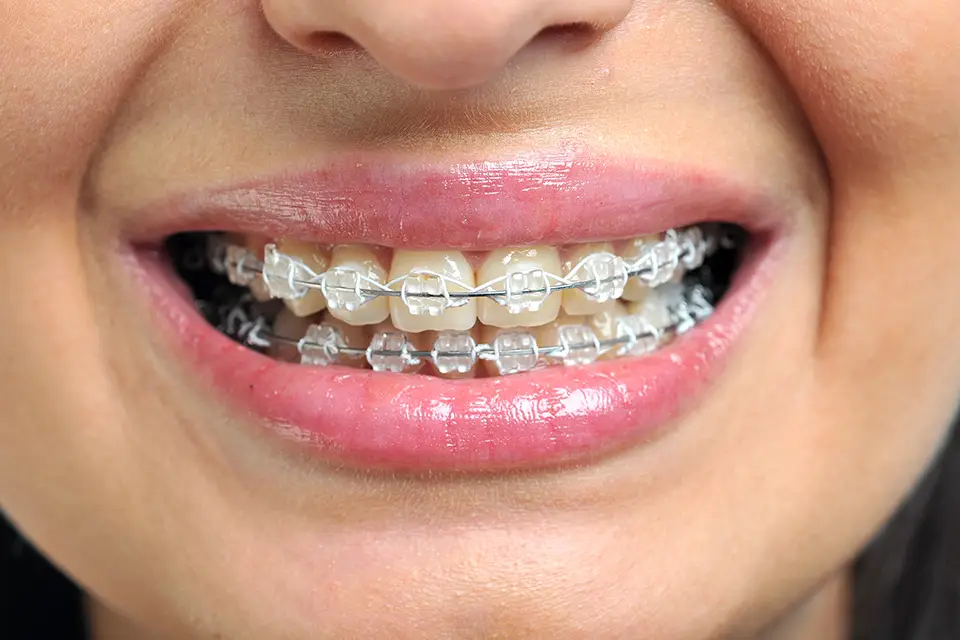
- You’re happy with a ceramic (tooth-coloured) option for lower visibility.
Either path can succeed in orthodontics for adults when the plan matches your routine, and you’re consistent with check-ins.
Oral Hygiene and Gum Health: Small Habits, Big Payoff
Clean teeth move more predictably, and gums stay calmer:
- Brushing & Flossing:
- Braces: Interdental brushes and water flossers reach around brackets; we’ll demonstrate technique and adapt as teeth shift.
- Aligners: Remove trays to brush and floss normally; clean trays with cool water and a soft brush to prevent odour and film.
- Check-Ins:
- Braces: Wire adjustments in-clinic keep forces gentle and effective.
- Aligners: Scheduled tray changes with periodic reviews—some can be virtual.
A straightforward hygiene plan keeps orthodontics for adults comfortable and efficient.
Orthodontics For Adults: Timelines You Can Trust
Broad ranges help set expectations (your plan may vary):
- Mild crowding/spacing: ~6–10 months
- Moderate alignment and rotations: ~12–18 months
- Bite corrections (deep/open/crossbite): ~18–24+ months
The three biggest time drivers are: (1) precision of the initial plan, (2) gum health throughout treatment, and (3) consistency—wearing aligners as prescribed or attending brace adjustments on schedule. We map these variables at the start so you know what each month should look like.
Comfort, Speech, And First-Week Adaptation
Expect a short, predictable adjustment:
- Pressure, Not Pain: Mild tenderness for 24–48 hours after a new aligner stage or wire change is normal.
- Soft Menu Briefly: Soups, eggs, yoghurt—then back to normal as tenderness settles.
- Speech: A brief lisp with aligners fades in a day or two; braces feel “big” at first, then your cheeks adapt.
- Wax & Care Kits: Braces wax protects irritated spots; aligner cases prevent lost trays and “setting back” a stage.
These micro-adjustments are standard in orthodontics for adults and fade quickly.
Work, Travel, And Real-World Logistics
Client meetings? Aligners are nearly invisible at conversational distance, and you can remove them briefly for photos (then pop them back in). Frequent travel? Aligners let you carry the next sets so you stay on schedule; with braces, we’ll book adjustments around trips and provide a travel kit plus guidance for a loose bracket. Contact sports? We’ll fit a braces-compatible guard or coordinate aligner wear with a custom sports guard.
Also Read: Dental Veneers vs Crowns: How to Choose the Right Fix for Your Smile
Costs And Value (They Vary by Factors)
Fees reflect complexity, appointment time, and materials—not just “braces” versus “aligners.” Ceramic (tooth-coloured) braces can cost more than metal; aligner plans may increase with refinements or extended timelines. We provide a written estimate, stage options if helpful, and coordinate hygiene visits to keep care efficient. The best value in orthodontics for adults is the plan that reaches goals predictably with the fewest detours, not the lowest sticker price.
Orthodontics For Adults: Retention—The Part Everyone Forgets
Teeth have memory. After movement, fibres and bone need time to stabilise. Your retention plan may include clear removable retainers, a fixed bonded retainer, or both. Wear is heaviest early and tapers to a sustainable rhythm. Retainers are non-negotiable in orthodontics for adults—they protect the investment you just made.
Special Considerations In Adult Treatment
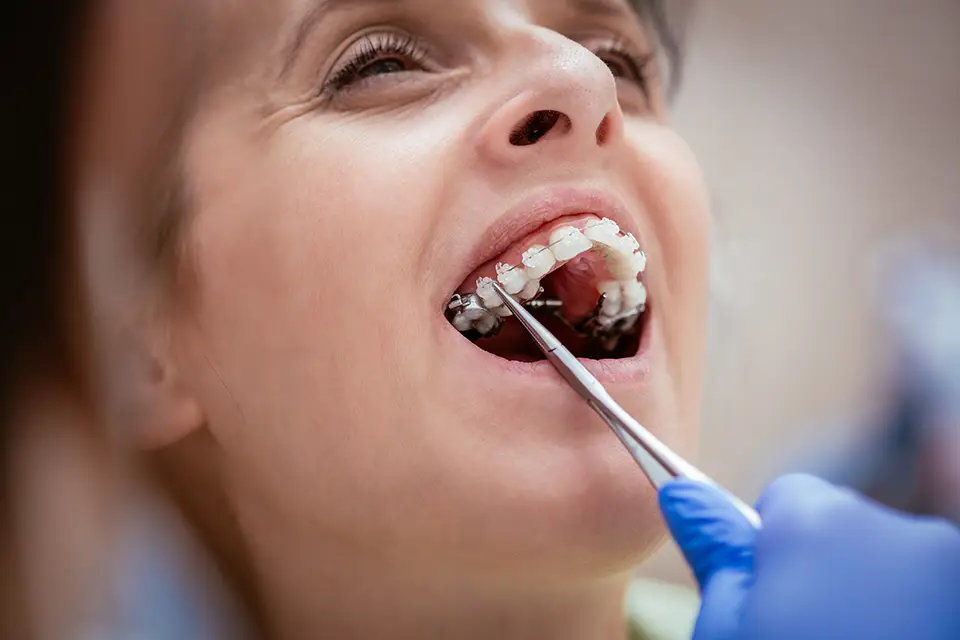
Adults sometimes have old restorations, implants, or missing teeth that shape the plan. We coordinate with restorative care when needed, align teeth for future crowns/implants, and time whitening or bonding after alignment so colours match. If you have a periodontal history, we’ll stabilise gums first and use lighter forces with closer hygiene support. Thoughtful sequencing is why adult outcomes can be both conservative and long-lasting.
Why Ajax Aria Dentistry (Ajax, Ontario)
You’ll get diagnostics first—photos, digital scans, and a gum-health baseline—followed by a clear, side-by-side comparison of aligners and braces, complete with timelines and estimated costs. We keep language plain, offer practical tips for travel and work, and track progress with consistent photos so small adjustments happen early. Our goal is simple: a stable bite and a confident smile that fits your life, not the other way around.
Conclusion
Straightening your teeth as an adult isn’t about chasing perfection; it’s about comfort, function, and a result that lasts. With a plan that respects your schedule and biology, orthodontics for adults is predictable, discreet, and manageable. Ready to see your options mapped clearly? Book a consultation at Ajax Aria Dentistry in Ajax. We’ll record your baseline, compare routes, and build a plan you can follow day to day—so your confident smile arrives on time and stays that way.
FAQs — Orthodontics for Adults
Am I too old to move my teeth?
No. Bone remodels at any age when gums are healthy, and forces are gentle. We tailor mechanics, coordinate any needed restorations, and pace timelines realistically for orthodontics for adults.
Are aligners as precise as braces?
With proper planning, attachments, and targeted auxiliaries, aligners can be very precise. Some complex rotations or vertical movements still favour braces. We match the tool to your goals in orthodontics for adults.
How will treatment affect my speech and diet?
Aligners may cause a brief lisp that fades quickly; you remove them to eat. Braces require avoiding hard/sticky foods. Most adults adapt within days.